Water may look completely clear and still contain high levels of hardness. The primary minerals responsible for water hardness are calcium and magnesium.
Hard water is not necessarily visibly dirty. Instead, its effects usually become noticeable through scaling, poor soap lather, deposits on taps and showerheads, and increased maintenance requirements.
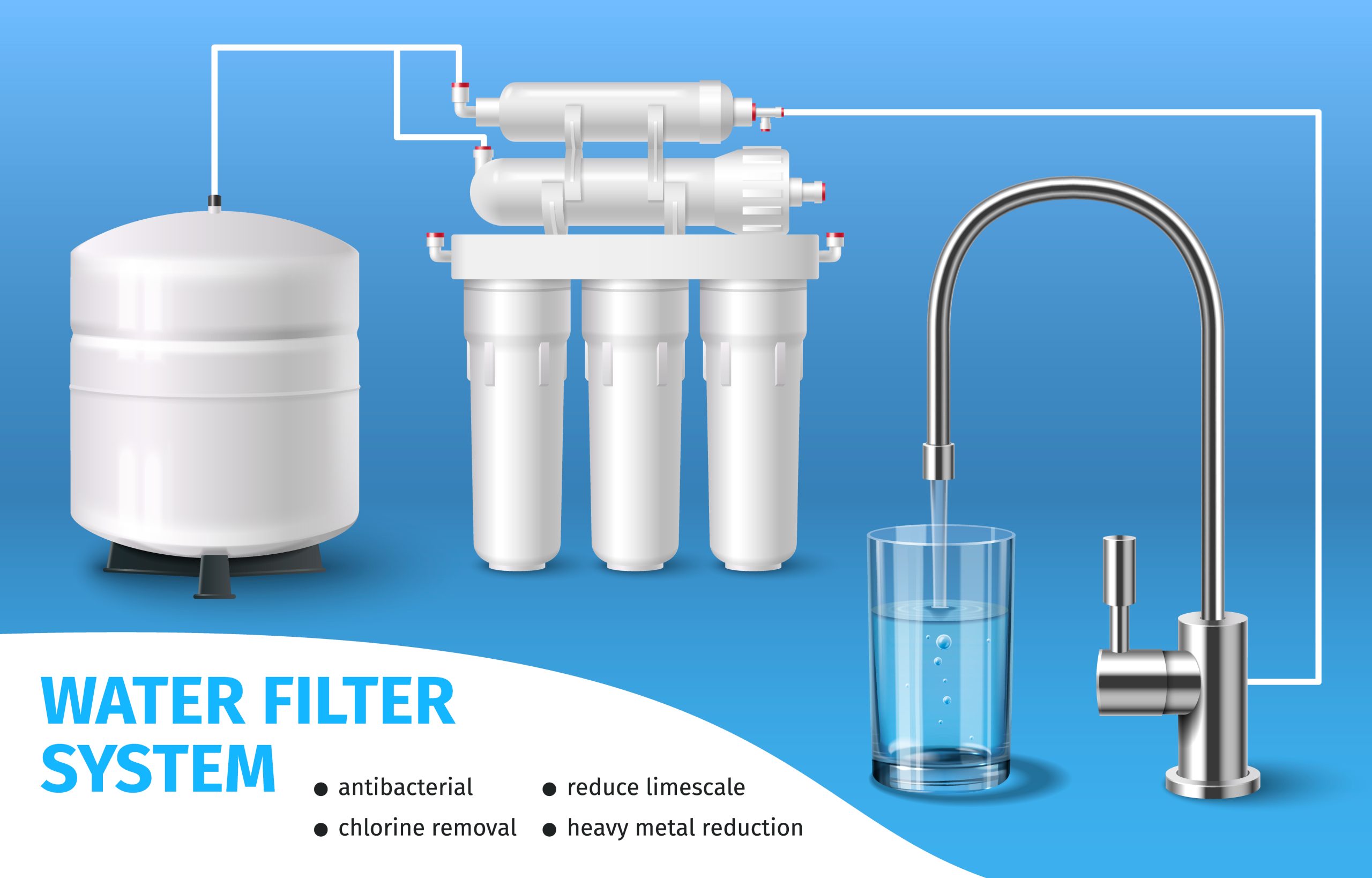
Softened water contains significantly less hardness-causing calcium and magnesium. As a result, it can help reduce mineral deposits throughout the plumbing system.
Signs You May Have Hard Water
- White deposits around taps
- Chalky bathroom surfaces
- Scale inside geysers
- Reduced shower flow
- Soap that does not lather easily
- Dry-feeling skin after bathing
- Rough or dull-feeling hair
- Frequent appliance maintenance
How Can You Confirm It?
The best way is to test the water rather than relying only on visible signs.
EKVA can assess your water quality and recommend an appropriate treatment solution based on the actual requirement.